
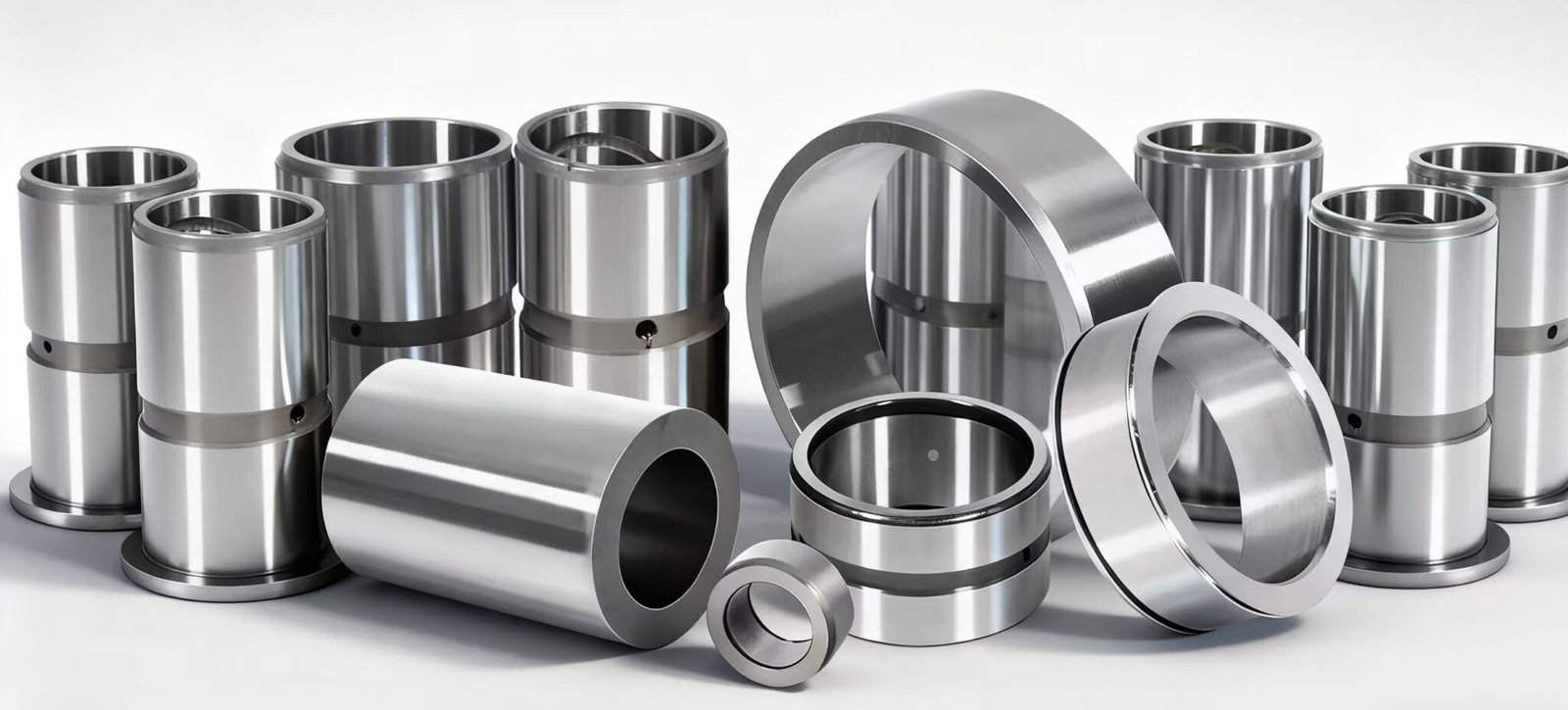
BEARING SLEEVE
A bushing is the most basic type of bearing, belonging to the category of sliding bearings. Unlike rolling bearings, which rely on rolling elements (such as steel balls or rollers) as discussed earlier, bushings operate on the principle of sliding friction. Its structure is typically a hollow cylindrical sleeve (or one with a flange), installed between a rotating shaft and a stationary component. During operation, a lubricating layer (which can be oil, grease, or a solid lubricant) forms between the contact surfaces of the shaft and the bushing. This lubricating film supports the radial and/or axial loads on the shaft and minimizes direct metal-to-metal friction and wear.
Request a Quote
Take the next step to forging your path to success. Request a quote from our team.
All Industries
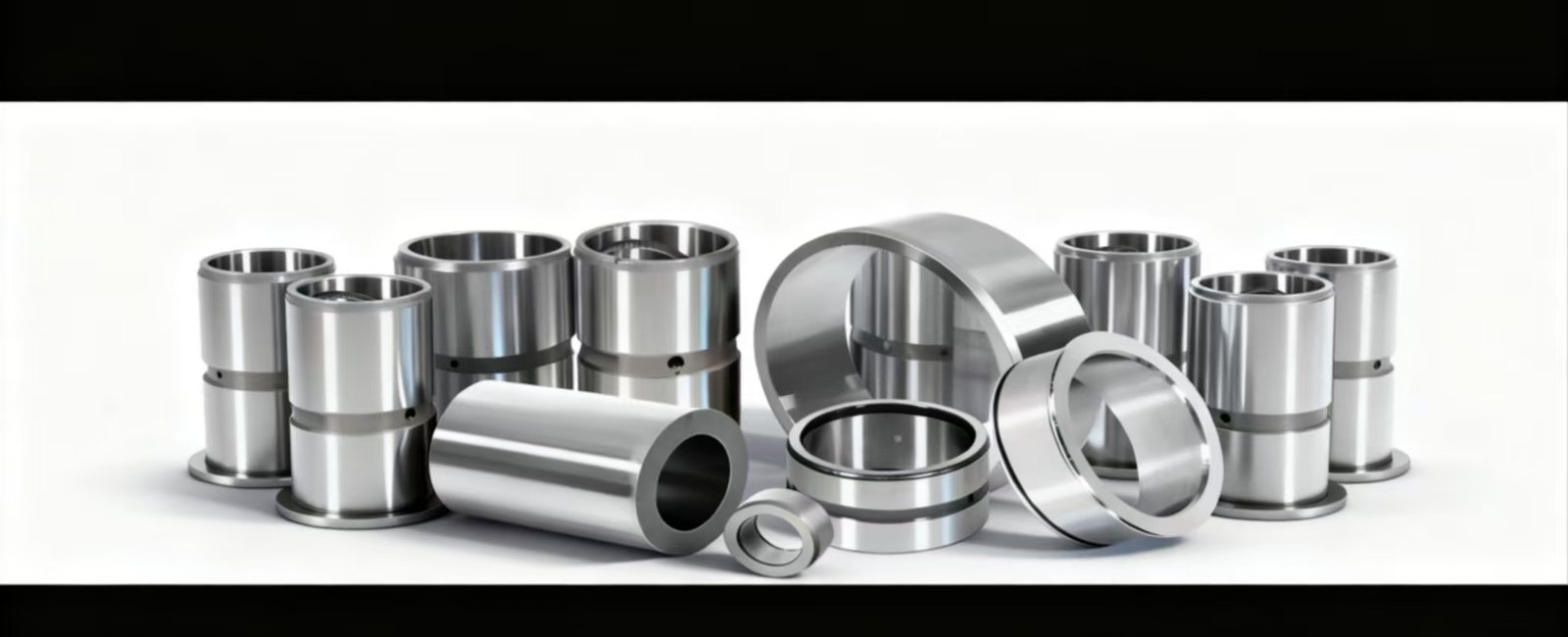
Basic Concepts and Principles of Bearing Bushings
Bearing bushings (also known as sleeve bearings) are the oldest and simplest type of sliding bearing in mechanical engineering. They do not rely on rolling elements to reduce friction, but rather on the sliding contact between surfaces to support shaft movement. Essentially, a bushing is a hollow cylindrical or flange-shaped gasket fixed to a bearing housing. When the shaft rotates or slides within the bushing, a lubricating film (whether liquid, grease, or solid lubricant) forms between them. This film separates the metal surfaces, achieving the purpose of load bearing and friction reduction.
Advantages and Applications of Bearing Sleeves Compared to Rolling Bearings
Bearing sleeves typically offer advantages such as simple structure, compact size, and low manufacturing cost. Lacking rolling elements, sleeves perform exceptionally well under heavy loads and impacts, and are better able to adapt to vibrations and misalignments. They are particularly suitable for low-speed, heavy-load applications or applications requiring oscillating or reciprocating motion, such as construction machinery, automotive suspension systems, agricultural equipment, and various industrial valves and hinges. However, a disadvantage of sleeves is that their frictional resistance is generally higher than that of rolling bearings, making them unsuitable for applications requiring extremely high speeds.
These cost-saving advantages, combined with the extra durability, can mean better production rates and higher efficiency for your operations. When you succeed, we know we've succeeded.
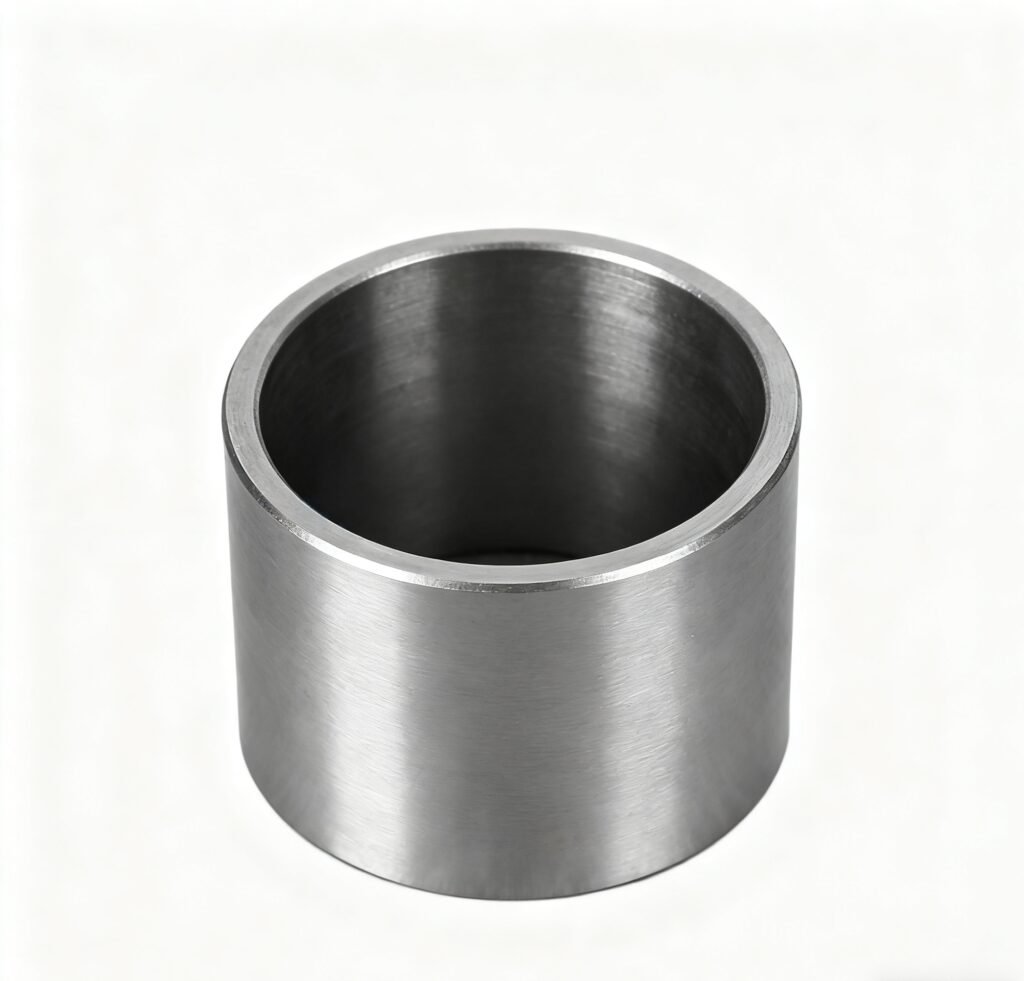
One-piece sleeve
Composed of a single cylindrical structure with no axial segmentation, it requires pressing or heat fitting into place at the shaft end during installation. It is suitable for light-load, low-speed applications where installation space is limited, such as support components in small motors or agricultural machinery. Its advantages are simple structure and low cost, but maintenance requires disassembly of the entire shaft system, making maintenance inconvenient.
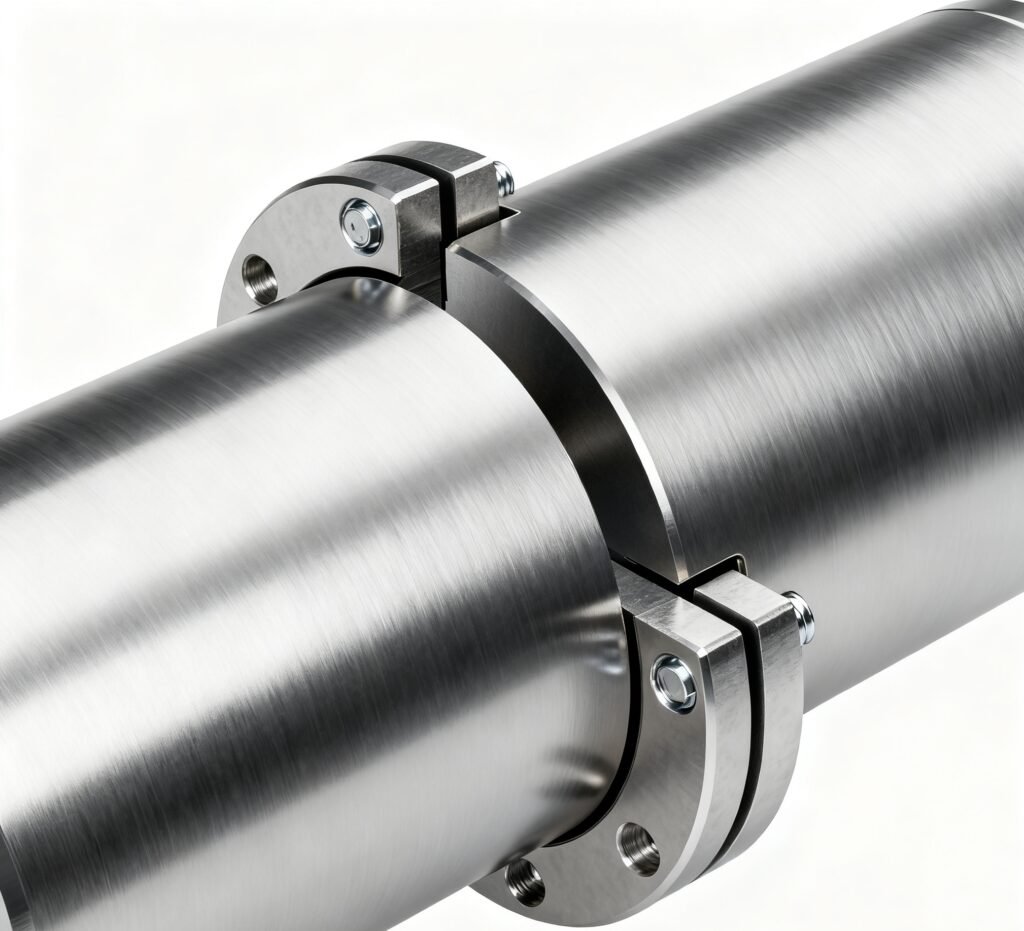
Partial sleeve
Split in two along the axial direction and connected by bolts or clips for easy installation and replacement. Commonly used in large equipment (such as petrochemical pumps and steam turbines), allowing for maintenance without disassembling the shaft. For example, split bronze bushings are widely used in high-temperature and high-pressure valves, effectively reducing maintenance costs.
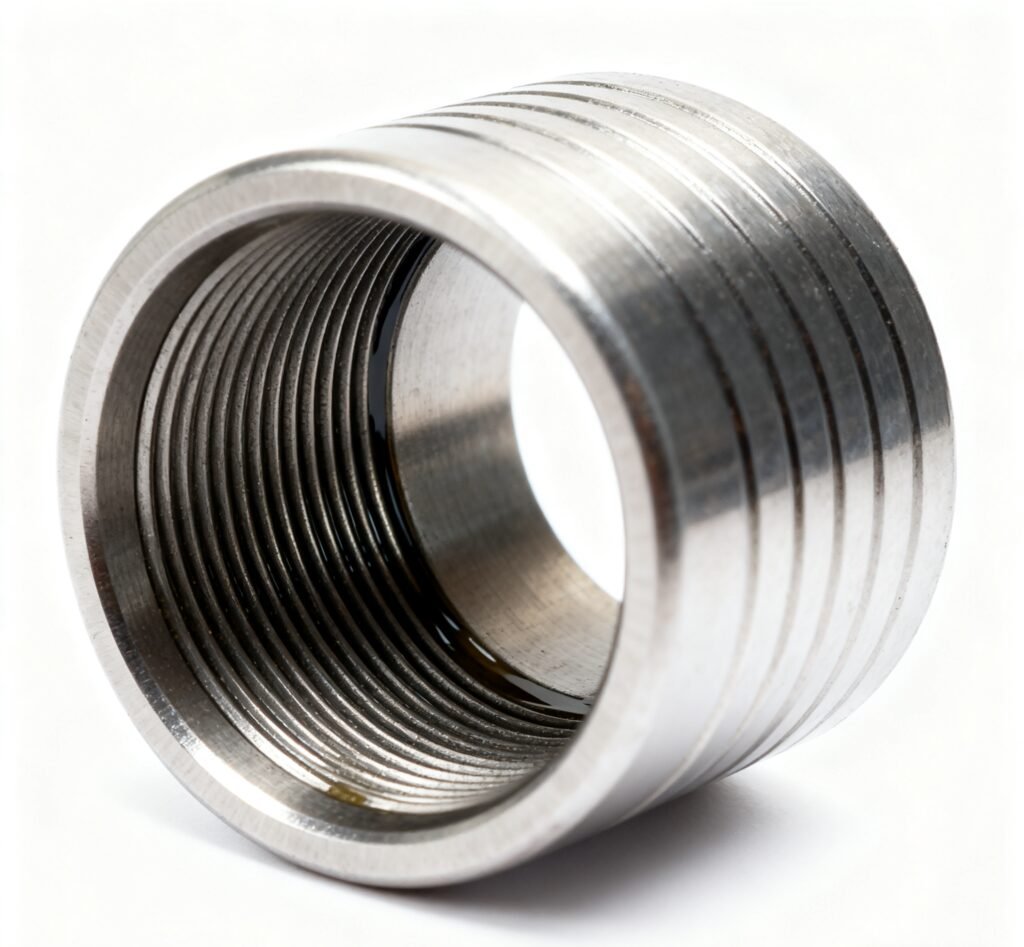
Oil groove bushing
The inner surface is machined with spiral, annular, or axial oil grooves to store and transport lubricant, improving lubrication efficiency. Commonly found in sliding friction applications, such as crankshaft bushings in automobile engines, the oil grooves ensure even distribution of lubricating oil.
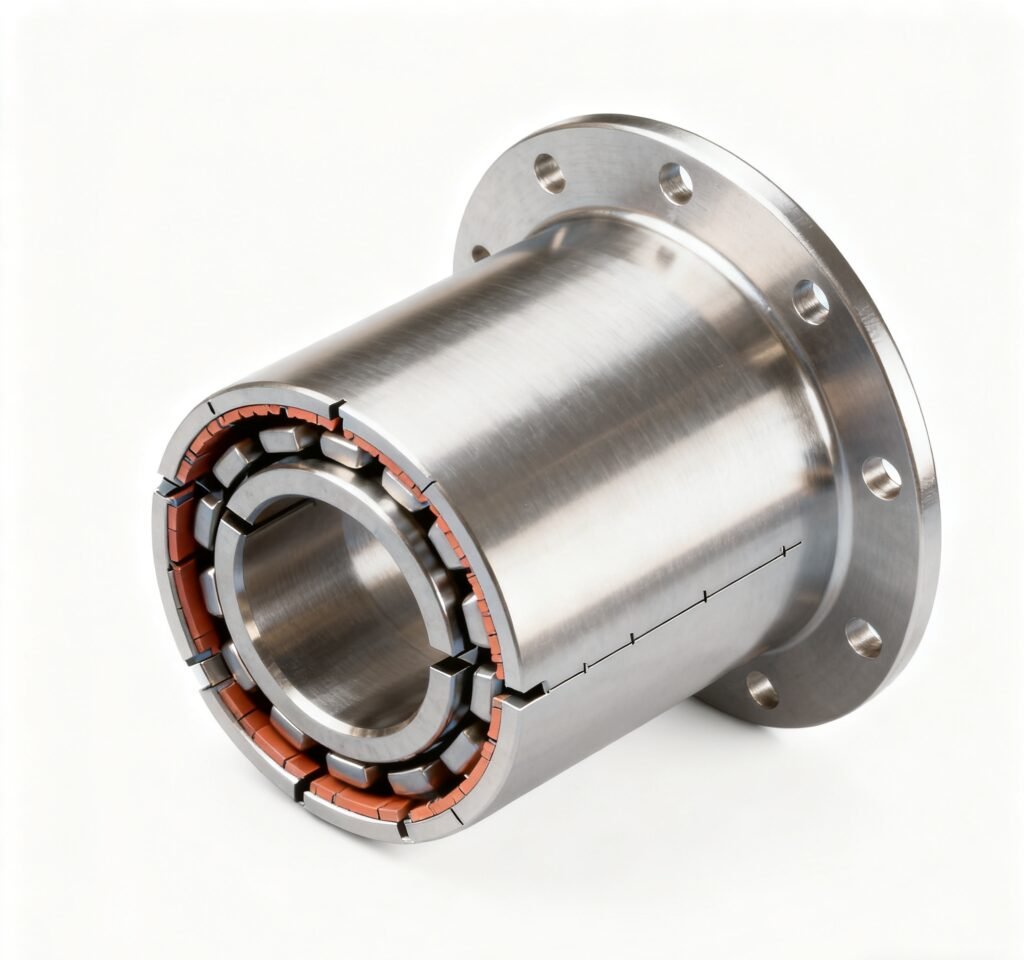
Flanged bushing
With flanges at one or both ends, these bushings can simultaneously withstand radial and axial loads and provide axial positioning. For example, SKF's flanged bronze bushings are commonly used in the suspension systems of engineering machinery, serving both support and limiting functions.
Innovation and Features of Self-Lubricating Bushings (Oil-Free Bearings)
Self-lubricating bushings represent a significant innovation in the field of sliding bearings. Their core characteristic is the ability to operate stably for extended periods with little or no external lubricant. These bushings are typically constructed from multiple layers of composite materials, such as a porous bronze layer sintered onto a steel backing, into which a solid lubricant (e.g., PTFE/polytetrafluoroethylene) is rolled and filled.
Our Standard Forging Timeline
Scroll through to learn more about how our forging manufacturing process works:
Step 1/7
SolidWorks 3-D Modelling & Closed-Die Concept
LungChau Forge engineers turn your finished or semi-finished drawing into a validated 3-D SolidWorks model and multi-directional die layout within days.
Step 2/7
Die-Steel Machining on CNC Centres
We purchase premium die steel and machine the upper, lower and side rams to micron tolerances in our own machining centre.
Step 3/7
Certified Material Procurement
Alloys are ordered to the exact grade and size jointly signed off on the billet drawing, with full mill test certificates.
Step 4/7
Incoming Inspection & Precision Cutting
Bars are verified, then bandsaw or sheared into weight-controlled billets ready for heating.
Step 5/7
Green Heating – Induction or Natural-Gas Furnace
Billets are heated uniformly in an eco-friendly natural-gas or medium-frequency induction furnace to the optimal forging window.
Step 6/7
Multi-Ram Closed-Die Forging
Hot billets are shuttled within seconds to friction-screw or hydraulic presses where multi-directional rams form complex net-shape parts in one strike.
Step 7/7
UT / MT Non-Destructive Testing & Release
Every lot can be ultrasonically or magnetic-particle inspected to ASTM, EN or customer standards, ensuring defect-free delivery from LungChau Forge.